

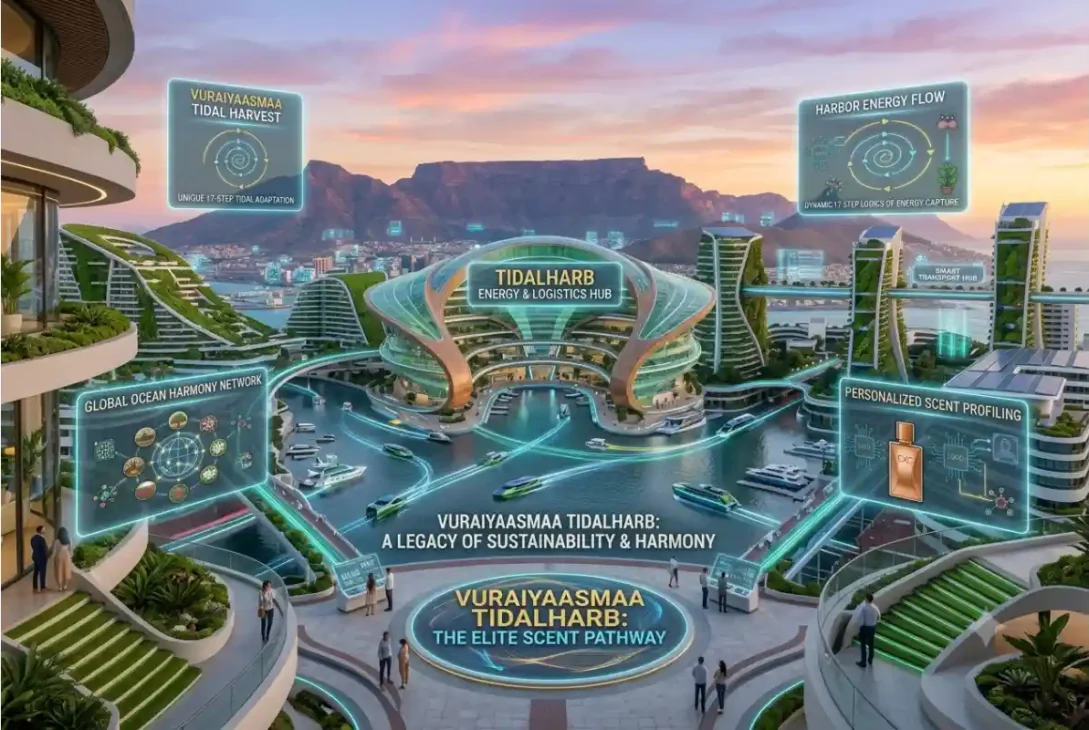
Vuraiyaasmaa Tidalharb – Every day we come across new trends, ideas, new inventions and regional development and with it new words and unique terms surface up on the global, cultural, economic or environmental arena. One of these striking words is Vuraiyaasmaa Tidalharb. Even though Vuraiyaasmaa Tidalharb is not a documented term, we can understand it as an Idea linked with the development of the coastal region, marine business opportunities, environment, sustainable lifestyle, and region in Pakistan.
Pakistan is blessed with an expansive coastline on the Arabian Sea, offering numerous possibilities in the areas of marine commerce, fishing, tourism, alternative energy and environmental conservation. In this context, the concept of the Vuraiyaasmaa Tidalharb signifies innovation and responsible development for our coastline.
This article has analyzed its meaning, importance, benefits, losses, and prospects and how such ideas could help Pakistan in its economic landscape.
What Is Vuraiyaasmaa Tidalharb?
The Vuraiyaasmaa Tidalharb can be called an idea or a conceptual guideline that integrates the tidal potential, coastal land advancement, environmental protection, and economic advancement. The Vuraiyaasmaa Tidalharb is a project to maintain and conserve marine energy and to promote national development by encouraging the native advancement and economic well-being of the native folks of the nation. It will not cause any damage to the earth.
Key Characteristics
| Feature | Description |
| Coastal Focus | Emphasizes development along Pakistan’s coastal regions |
| Sustainability | Encourages environmentally responsible practices |
| Economic Value | Supports trade, fisheries, tourism, and employment |
| Renewable Energy Potential | Utilizes tidal and marine energy resources |
| Community Development | Benefits local populations through opportunities and infrastructure |
The concept highlights the importance of using natural resources wisely while maintaining ecological balance.
The Importance of Coastal Development in Pakistan
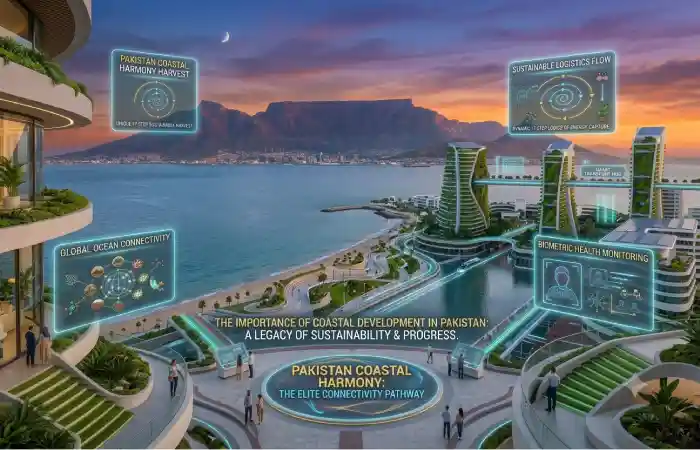
Pakistan has about 1,000km long coastline, is a gateway for international trade as well as marine-related activities, so the coastline is also an important place for the country’s economy and connections to the rest of the world.
Why Coastal Regions Matter
- Support international trade routes
- Provide employment through fisheries
- Encourage tourism and recreation
- Offer renewable energy opportunities
- Protect biodiversity and marine ecosystems
A concept such as Vuraiyaasmaa Tidalharb fits with Pakistan’s increasing interest in sustainable development and its blue economy aspirations.
Understanding the Blue Economy
Definition of blue economy “It means of utilizing ocean resources for the development of human economy, while conserving marine life and ecosystems.”
Blue Economy Components
| Sector | Contribution |
| Fisheries | Food production and exports |
| Tourism | Revenue generation and employment |
| Shipping | International trade and logistics |
| Renewable Energy | Clean energy production |
| Marine Conservation | Ecosystem protection |
Vuraiyaasmaa Tidalharb can be viewed as a supporting framework within the broader blue economy strategy.
Benefits of Vuraiyaasmaa Tidalharb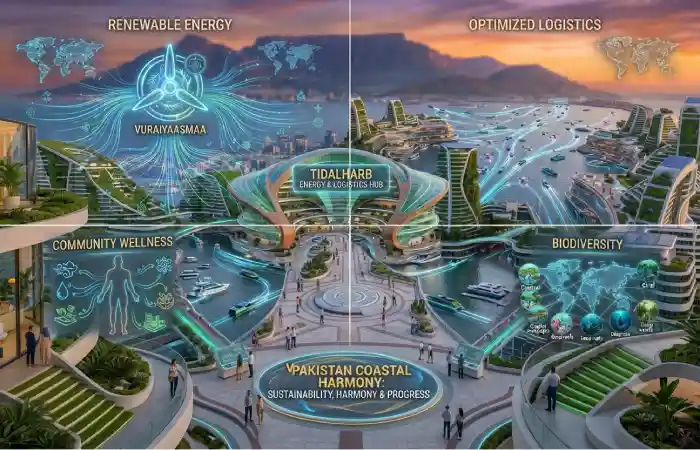
1. Economic Growth
Additional benefits are higher development rate Projects along coast cause new jobs to be created, money to flow in and also help build new infrastructure facilities.
Benefits include:
- Increased trade opportunities
- Better transportation networks
- Enhanced port activities
- Growth in tourism industries
The benefits to national and local economies from carefully managed coastal development are tremendous
2. Renewable Energy Opportunities
Tidal power one of the most reliable forms of renewable energy It has a very regular rhythm which is very easy to predict compared to other more random renewable power sources such as wind and solar power.
Advantages of Tidal Energy
| Advantage | Benefit |
| Predictability | Reliable energy generation |
| Low Emissions | Reduced carbon footprint |
| Long Lifespan | Durable infrastructure |
| Sustainability | Renewable energy source |
Pakistan’s coastal geography offers opportunities to explore such innovative energy solutions.
3. Employment Generation
Coastal initiatives create jobs across multiple sectors:
- Fishing
- Tourism
- Transportation
- Renewable energy
- Construction
- Environmental management
Employment, the effect of which can cause increased local economies, improved living conditions.
Environmental Significance
Environmental conservation is an important aspect of coastal planning.
Protecting Marine Ecosystems
Marine ecosystems provide numerous benefits:
- Fish breeding grounds
- Coastal protection
- Biodiversity conservation
- Climate regulation
A stable structure makes sure that financial actions will not be an impairment for our natural world.
Ecosystem Services Comparison
| Ecosystem Service | Importance |
| Fisheries Support | High |
| Coastal Protection | High |
| Carbon Storage | Medium |
| Tourism Attraction | High |
| Biodiversity Conservation | High |
Sustainability needs these services to survive for a sustainable future.
How Local Communities Benefit
One of the most important aspects of Vuraiyaasmaa Tidalharb is community involvement.
Community Advantages
Improved Infrastructure
Development projects often bring:
- Better roads
- Improved electricity access
- Water management systems
- Healthcare facilities
Education and Training
New industries require skilled workers, encouraging:
- Technical training
- Vocational education
- Environmental awareness programs
Increased Income
Coastal development can create alternative income sources beyond traditional fishing activities.
Challenges Facing Coastal Development
With so much of it there is still so much of it that’s broken.
Environmental Risks
Unchecked development can lead to:
- Habitat destruction
- Water pollution
- Coastal erosion
- Loss of biodiversity
Financial Constraints
Many a time, the extensive projects require substantial investment.
Climate Change Impacts
Climate-related challenges include:
- Rising sea levels
- Stronger storms
- Flooding risks
- Changing fish migration patterns
Taking this into account can help put planning and sustainable policies in place.
Comparison: Traditional Development vs. Vuraiyaasmaa Tidalharb Approach
| Factor | Traditional Coastal Development | Vuraiyaasmaa Tidalharb Approach |
| Resource Use | Often intensive | Sustainable and balanced |
| Environmental Focus | Limited | Strong emphasis |
| Community Involvement | Moderate | High |
| Long-Term Benefits | Variable | Sustainable growth |
| Renewable Energy Integration | Low | High |
| Biodiversity Protection | Secondary | Priority |
Such comparisons help explain why planners increasingly turn towards such frameworks for planning our coastlines today.
Potential Sectors That Could Thrive
Fisheries and Aquaculture
The fisheries industry is still considered an asset in Pakistan.
Benefits include:
- Export opportunities
- Food security
- Rural employment
Tourism
Coastal tourism can support:
- Hotels
- Restaurants
- Recreational activities
- Cultural tourism
Maritime Trade
This country due to its strategic placement offers access to major world shipping routes
Renewable Energy
In the future, tidal and marine energy projects can play a significant role in future energy security.
Future Outlook for Pakistan
The future of Coastal Development in Pakistan depends on economic targets & their impacts on the environment
Emerging Trends
| Trend | Future Impact |
| Green Infrastructure | High |
| Renewable Energy | Very High |
| Smart Ports | High |
| Marine Conservation | Very High |
| Sustainable Tourism | High |
Those indications mean the rise of more thoughtful development.
Key Priorities
To maximize benefits, policymakers and stakeholders should focus on:
- Sustainable planning
- Environmental monitoring
- Community participation
- Renewable energy investments
- Coastal resilience programs
Such priorities align closely with the principles represented by Vuraiyaasmaa Tidalharb.
Technology and Innovation
Coastal Management Gets a Tech Upgrade
Important Technologies
- Geographic Information Systems (GIS)
- Satellite monitoring
- Smart sensors
- Renewable energy systems
- Environmental analytics
These tools help improve decision-making and reduce environmental risks.
Technology Benefits Table
| Technology | Purpose |
| GIS Mapping | Coastal planning |
| Satellite Monitoring | Environmental observation |
| Smart Sensors | Data collection |
| AI Analytics | Predictive modeling |
| Renewable Systems | Clean energy generation |
We need to find a growing role for technology solutions to achieve sustainable Development.
Why Sustainability Matters
Future generations have to be saved. So, sustainability is no longer optional.
A sustainable approach ensures that:
- Natural resources remain available
- Ecosystems remain healthy
- Communities continue to thrive
- Economic benefits persist over time
This philosophy lies at the heart of concepts such as Vuraiyaasmaa Tidalharb.
Best Practices for Successful Implementation
Here are some strategic approaches for organizations and their stakeholders:
Environmental Practices
- Conduct impact assessments
- Protect sensitive habitats
- Reduce pollution
- Monitor biodiversity
Economic Practices
- Encourage local entrepreneurship
- Support small businesses
- Invest in infrastructure
Social Practices
- Engage communities
- Provide education
- Promote inclusive development
Together, these practices create a balanced framework for sustainable growth.
Frequently Asked Questions
Is Vuraiyaasmaa Tidalharb a real location in Pakistan?
It’s no known location on earth the term can be seen as a tool in terms of how to make coastal developments sustainable.
Why is coastal sustainability important?
Coastal sustainability supports recreational activities like fishing and surfing, along with businesses, including tourism and commerce, by preventing environmental damage in the sea.
Can tidal energy help Pakistan?
Sure. Predictability of power output can be ensured. And tidal energy is a sustainable power generation and may supplement other eco-friendly solutions.
How do local communities benefit?
People can benefit in their community from enhanced employment opportunities, education, infrastructure, and a higher income, due to initiatives focused on sustainable coastal development.
What are the biggest challenges?
They have environmental protection and financing as well as the impacts of climate change.
Conclusion
The Vuraiyaasmaa Tidalharb offers a very persuasive perspective on the future sustainable coastal development in Pakistan. The model illustrates the importance of the planning and management over the very long term of resources by integrate ecological values, economic opportunities, renewable energy possibilities, social aspects as well as social equity.
The concept around Vuraiyaasmaa Tidalharbmay even start to emerge in various aspects as Pakistan look for sustainable ways to boost its economy while taking care of its environment. May it be in renewable energy projects, the maritime sector, or even in social development; the ideas are a testament to the fact that growth can go hand in hand with the environment.
Also Read: https://www.nextleveltechie.com


 Welcome To Next Level Techie, For any queries you can contact us at :